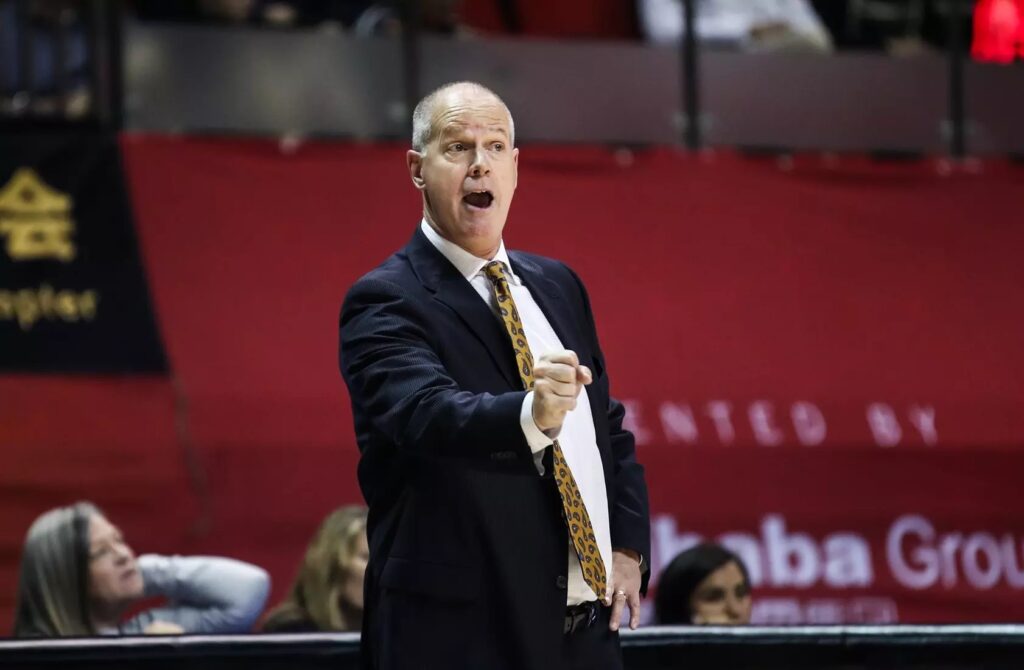
Why Tad Boyle’s 2026-27 team is probably the worst team in the Big 12
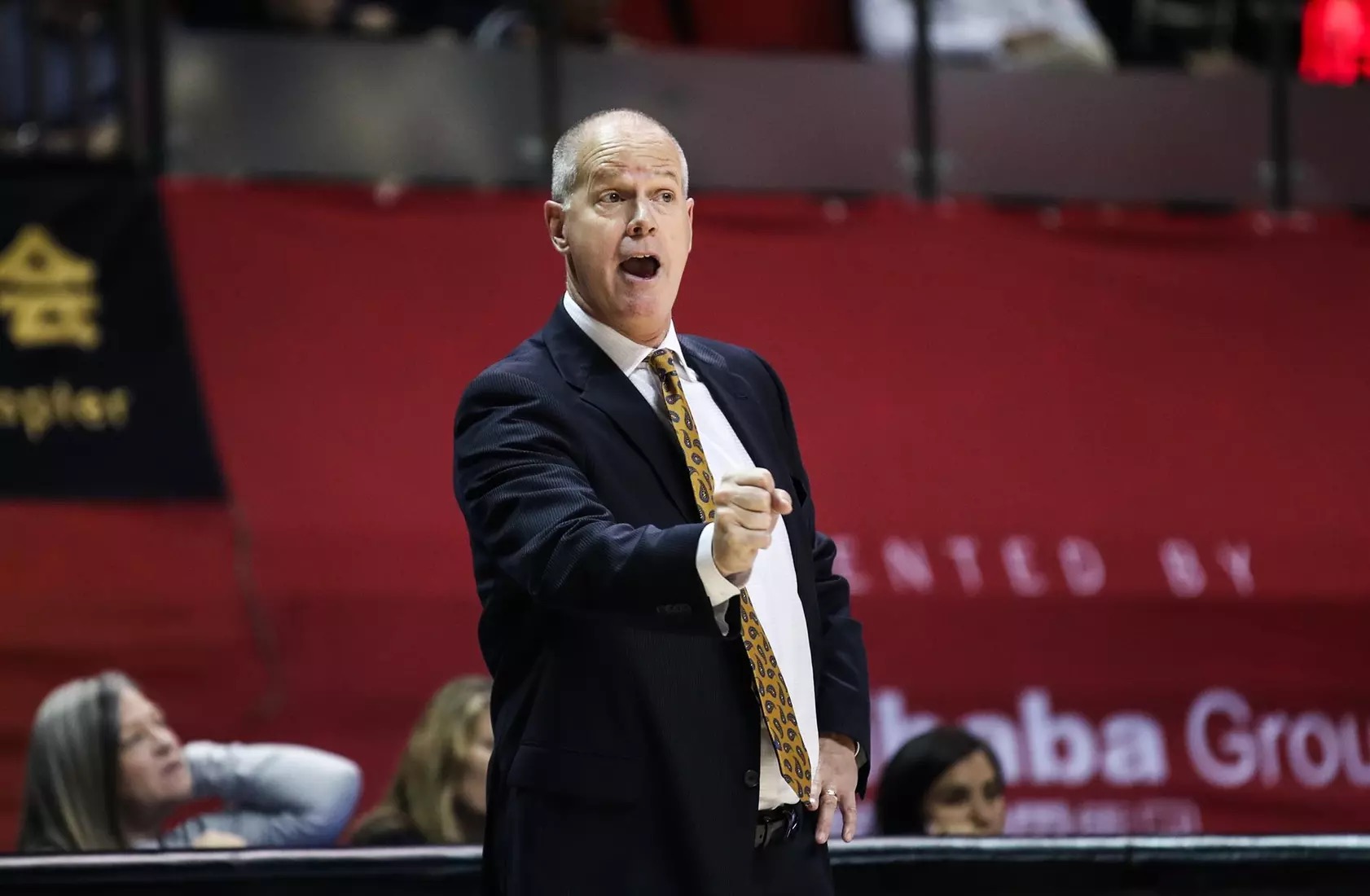
My brother is an optimist. It is a family trait that apparently skipped this Eeyore entirely.
As I write this post, I am entirely convinced that Tad Boyle and the CU men’s basketball team is hurtling toward a season that more closely resembles the 2023 slasher film Winnie the Pooh: Blood and Honey rather than the easier to stomach Winnie the Pooh and the Honey Tree.
I can hear you already, CU fans. Yes, this Colorado roster has a veteran point guard who was one of the most efficient players in America last season, a transfer forward who averaged 17 and 11, a big man that found some success in the Big Sky Conference [EDIT: Summt Conference] last season, and a freshman class with a legitimate prospect or two in it. Every one of those things is true.
But that optimism is misplaced.
Jon Rothstein picked Colorado to finish 14th in the 16-team Big 12. I think he’s probably over-estimating CU’s finishing position.
Here are the reasons the CU men’s basketball team will struggle to be competitive….
Cue the sad trombone sound.
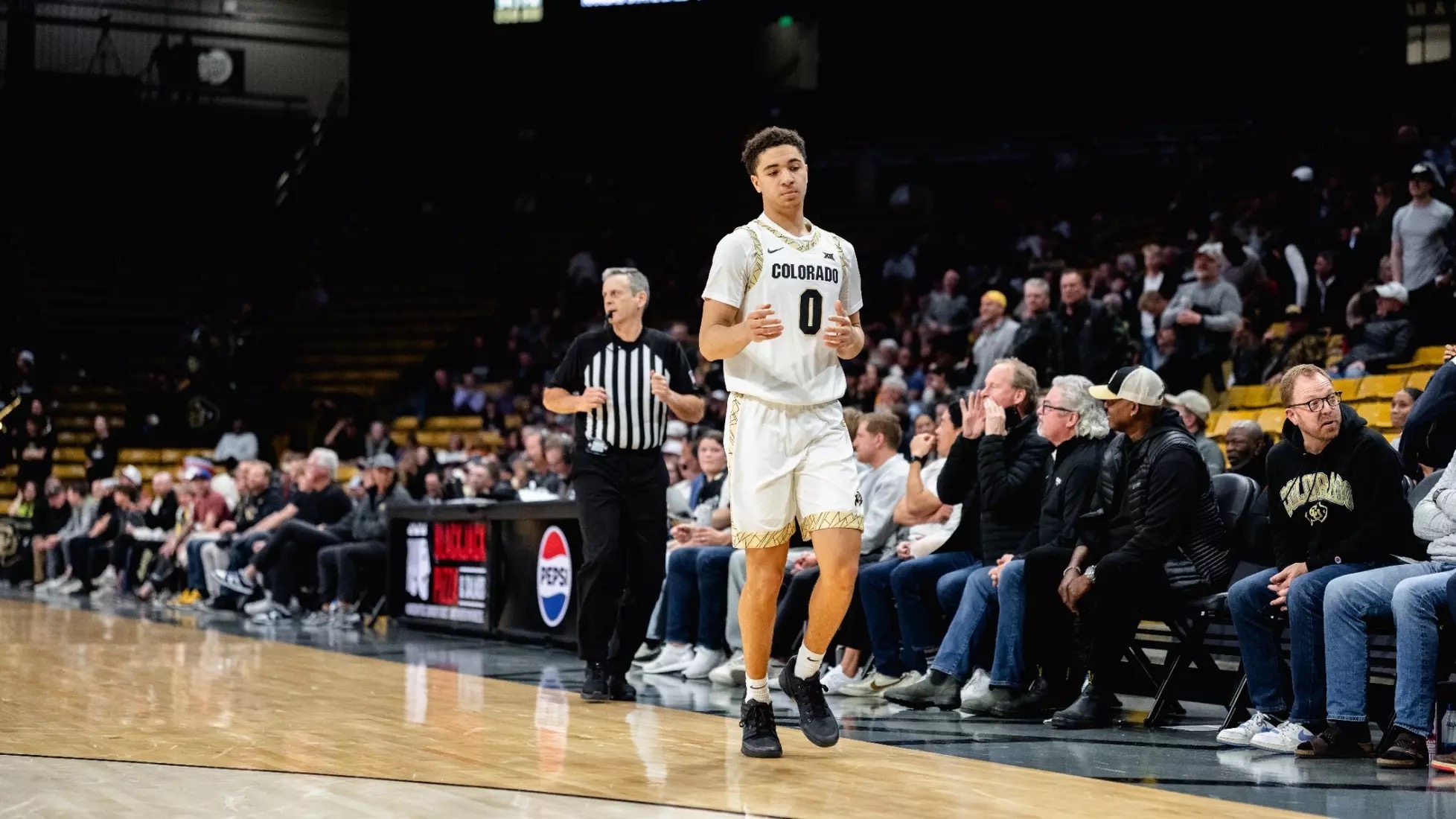
Reason for Pessimism No. 1: Barrington Hargress Is About to Be “The Man” Again
Barrington Hargress was terrific last season. I want to be clear about that before I use him to make a pessimistic point, because he deserves better than being a prop in some anhedonic column.
He finished with a 130.3 offensive rating, ranking him 54th in the country. He shot 48.1 percent from three, which was third nationally. His effective field goal percentage was 61.0. He averaged 4.5 assists against 1.2 turnovers.
Hargress also got to play with Isaiah Johnson. Last season’s freshman sensation (and now Texas Longhorn) ended up leading CU in scoring with over 17 points per game while only turning the ball over 1.4 times in nearly 31 minutes of gametime per night.
Johnson is now gone, however, and Hargress is the unquestioned leader of this season’s team. How did Hargress do the last time he was the unquestioned man on the team? Let’s look at his 2024-25 season at UC Riverside for the answer:
| UC Riverside, 2024-25 | Colorado, 2025-26 | |
|---|---|---|
| Minutes per game | 31.9 | 32.5 |
| Shots per game | 16.7 | 10.0 |
| Three-point attempts | 6.4 | 3.3 |
| Points | 20.2 | 14.7 |
| Field goal percentage | .444 | .532 |
| Three-point percentage | .329 | .481 |
| Assists | 4.0 | 4.5 |
Same player, one year apart, almost identical minutes. The thing that changed was how much of the offense went through him.
At UC Riverside he was the man. He took nearly 17 shots a night and shot 44 percent. At Colorado he was the second option behind Isaiah Johnson, took 10 shots a night, and shot 53 percent. His three-point percentage went from 32.9 to 48.1 when his attempts dropped from 6.4 to 3.3. For his career he is a 36.3 percent three-point shooter on 4.3 attempts a game across 101 games.
Any optimistic case for this team starts with Hargress keeping his efficiency at last season’s level while taking on a bigger role. It’s also the least likely thing on the list, because we’ve already seen this player with a higher usage rate, and he shot 44 percent.
I’m not predicting that Hargress falls apart. He’s a very good college player. I’m just predicting he turns back into the player he was the last time he had a high usage rate. That version is a useful college point guard. It doesn’t win many Big 12 games by itself.
The One Thing That Makes Every Pessimist Nervous
Everybody keeps saying this team has no experience and no continuity. Last season Colorado returned 28.8% of its minutes, 136th nationally, and went 17-16.
Add up the minutes percentages for the four returners this year. Hargress at 80.2, Josiah Sanders at 44.5, Jalin Holland at 40.5, Ian Inman at 17.5. That is 182.7 out of a possible 500, or roughly 36.5% of its minutes returning.
Colorado returns more of its minutes this year than it did last year.
So the “no continuity” story is lazy, and I’m not going to run with it. Boyle has had less continuity than this.
But (and there’s always a but for Eeyore), look at where those minutes live. Almost all of them belong to Barrington Hargress. So once again, see Reason No. 1 above.
Reason for Pessimism No. 2: The Sophomore Jump Needs Something to Jump From
The sophomore class has some nice late-season splits. Holland as a starter. Inman over the last 11 games. Sanders in his seven starts.
Those splits are real.
However, they’re also small samples pulled out of seasons that, taken whole, look like this:
- Josiah Sanders: 105.0 offensive rating, 47.6 effective field goal percentage, 3-for-24 from three. For those of us that are math deficient, that’s 12.5 percent. Ouch.
- Jalin Holland: 91.4 offensive rating, 44.1 effective field goal percentage, 27.8 percent from three, an 18.4 turnover rate. That’s the highest turnover rate for any backcourt player at CU in several years and the lowest offensive rating on the team last season. Ouch.
- Ian Inman: 22 games and 17.5 percent of minutes, but 36.7 percent from three on 60 attempts. That’s the one encouraging line in the group. Don’t look at the defensive stats, though. Don’t look. I’m warning you.
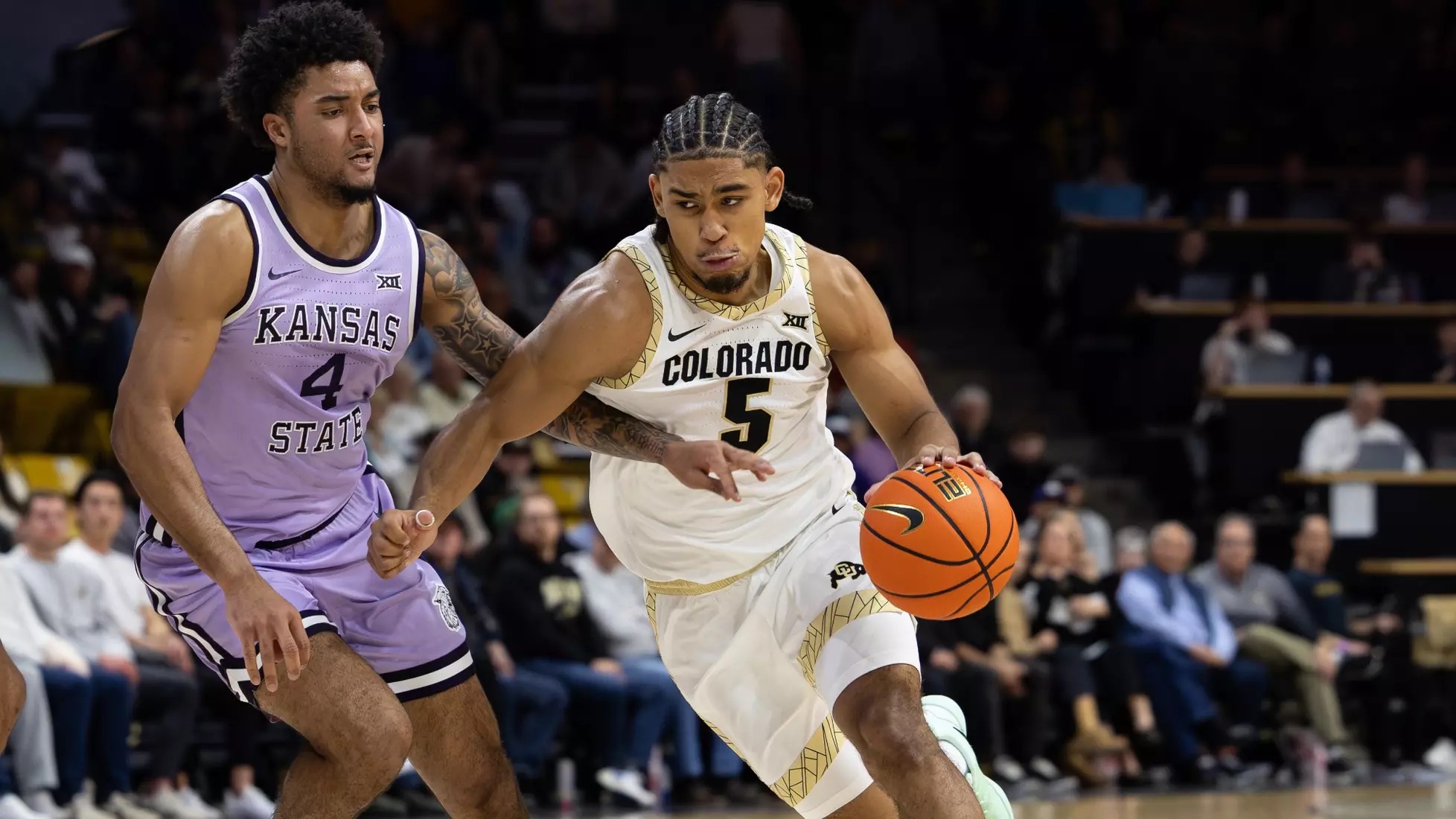
Sanders and Holland both started games as freshmen, and neither was good. That’s completely normal for freshmen. It’s also not much to build on. Getting Holland from 4.9 points to double figures is the kind of jump players do make. Asking a guy with a 91.4 offensive rating to make it while the team’s leading scorer is gone is too much improvement to expect over one summer.
Reason for Pessimism No. 3: The Transfer Class Just Isn’t Good Enough
247Sports ranks Colorado’s transfer class 88th nationally. In a 16-team Big 12, CU has the 16th ranked transfer class. That tells you most of what you need to know before you read a single individual scouting report. Three of the four carry transfer ratings between .8600 and .8700, and the fourth is unrated.
Justin Neely, 6-6, 230, sixth-year forward (UNC Greensboro, 0.8700 transfer rating)
Neely is going to be the 2nd best player on this team. He started all 34 games last season, played 32.3 minutes a night and averaged 17.9 points and 11.5 rebounds on 54.2 percent shooting (58.0 on twos). His 391 rebounds were second in the country, his 9.1 defensive rebounds a game led it, and he had 20 double-doubles. He took 264 free throws and made 207 of them (78.4 percent), a free throw rate of 0.74 per field goal attempt. Rebounding usually travels, and so does drawing fouls.
Neely, however, is not a strong shooter. He took 51 threes last season and made 31.4 percent. Across five seasons and 101 games, he’s a 23.4 percent three-point shooter on 111 attempts. A 6-6 forward who can’t stretch the floor is a problem you can hide in the Southern Conference (a one-bid league). It’s harder to hide against Houston and Kansas, and it’s why Neely was just a 3-star transfer. Neely also spent four years at Albany, where his best season was 11.5 and 7.1. He already made one big step up. The one from Greensboro to the Big 12 is bigger. However, I think Neely can be a poor man’s Tyler Bey.
Noah Feddersen, 6-10, 235, graduate center (North Dakota State, 0.8600 transfer rating)
Probably the starting five by default. Feddersen played 99 games in three seasons for the Bison, who swept the Summit League regular-season and tournament titles last year, and he averaged 9.3 points and 5.0 rebounds in 21.2 minutes while starting 16 of 35 games.
His free throw shooting improved from 62.7 to 64.3 to 80.0 percent over three years, which is real progress. His three-point shooting went the other way every year: 38.9, then 38.2, then 29.3. Career-wise, he’s at 35.3 percent on 167 three-point attempts. If he’s the 36 percent version, he fixes a spacing problem that could plague CU’s frontcourt. If he’s the 29 percent version, he’s a backup center on a bad offensive team.
Iaroslav Niagu, 7-1, 228, graduate forward (Jacksonville State, unrated transfer)
Niagu is a late add to the roster and a worthy flyer. Niagu is on his fourth school: 16 games at USC, 12 at Charlotte, two years at Jacksonville State. Last season was his first real one, with 29 games, 17 starts, 4.2 points, 5.1 rebounds and 1.2 blocks in 20.8 minutes. That works out to roughly 2.3 blocks per 40 minutes, a serious number that could help CU’s frontcourt defensively. He has also taken six three-pointers in 93 career games and averages 2.4 points for his career. He’s a specialist, and specialists help teams that already have enough other things.
I don’t think CU has enough other things.
David Gomez, 6-9, 245, third-year forward (Charlotte, 0.8600 transfer rating)
Gomez is from Alcalá de Guadaíra, Spain, and came up through the Hestia Menorca program. He plays taller than his height, as Gomez has a 7-3 wingspan. The good news is that his FIBA résumé is legit. Gomez averaged 8.3 points on 62.2 percent shooting at the 2024 U20 EuroBasket, and he had roster spots on Spain’s loaded U18 European champions and U19 World Cup champions. A foot injury wiped out his Charlotte season last year, however.
Here’s what’s left once you set all of that aside. His entire American college career is two games, 19.5 minutes, five points, 3.5 rebounds and 1.5 blocks. The 247Sports preview says “not much is known about him, nor can a great deal be expected.” I don’t have a better read than that.
Reason for Pessimism No. 4: Look at When the Freshmen Committed
On3 ranks CU’s 7-member freshman class the 106th class nationally and the 13th best class in the Big 12. 247Sports ranks CU’s freshman class 60th nationally and the 10th best in the Big 12, with Rider Portela the highest rated signee and a 4-star prospect.
To be honest, however, the individual ratings bothered me less than when they committed to CU.
Portela committed on September 14, 2025, a typical recruiting timeline. Every other freshman in the class committed after national signing day (which was April 15), likely indicating that these players were passed over by most Division I college basketball programs. Here are the other commitment dates: Alex Dickeson on April 22, Goc Malual on April 23, Luke Mirhashemi around May 9, Chase Hill on May 19, Amir Jones on May 21, and Eric Jacobsen on June 9.
To be fair, Dickeson and Malual are Australian, and Australian players run on a different calendar than American high school kids. Their late-April availability is ordinary, so I won’t count them against Boyle.
That leaves four American high school players added in one month, after both signing day and the season was over (and arguably after the best players were already picked over).
Now just because CU’s players committed to CU after signing day doesn’t mean they can’t play and contribute. It just means that CU has to be the smartest person in the room with respect to its talent evaluations, again and again, when it comes to each of these players. It’s hard to always be the smartest person in the room.
Here’s a profile on each of them:
Rider Portela, 6-6, 180, Sunnyslope (Phoenix)
The highest rated freshman signee this season. A 0.9500 composite on 247Sports, 131st nationally, 44th at his position and 10th in Arizona. By 247’s all-time list of Colorado commits, he’s the tenth-highest-rated signee in program history and the best high school prospect the Buffs have landed since the 2023 class that produced Cody Williams…..and Assane Diop (remember him?). Over his three-year varsity career at Arizona high school powerhouse Sunnyslope, Portela has averaged 11.8 points and 5.4 rebounds in 86 games. He made 102 of 118 free throws his junior year, which shows Portela is already a very good shooter.
The 6-6 wing who can shoot is exactly the player Boyle has developed best over 17 years, from Andre Roberson to Tyler Bey to (sort of) Nique Clifford. The difference is that those guys got to grow up behind somebody. Portela is going to be asked to produce right away because nobody else on the roster plays his position.
Alex Dickeson, 6-4, 175, Centre of Excellence (Adelaide, Australia)
The most interesting freshman after Portela, and the only one with real production against adults. Dickeson is from Eastwood, South Australia, and played the 2025 season with the Centre of Excellence in NBL1, Australia’s second division, averaging 10.9 points, 5.0 rebounds and 3.0 assists in 21 games. He was MVP of Basketball Without Borders Asia and won its three-point contest.
Dickeson first saw Colorado play during the Buffs’ tour of Australia last summer, which is how his recruitment started. The Centre of Excellence is the Australian Institute of Sport program that has produced a long line of NBL and NBA players, so the development track record is excellent. He’s also 6-4 and 175 pounds, and Big 12 guards are going to be much stronger than anyone he saw in NBL1.
Dickeson will be a good player for Colorado, but probably after a full season of development (and work with strength coach Steve Englehart).
Goc Malual, 6-8, 220, Sydney Kings (Australia)
Malual spent 2025-26 with the Sydney Kings as an NBL development player and appeared in nine NBL games. He put up 10.6 points and 7.6 rebounds in NBL1, and 13.8 points, 7.8 rebounds and 1.2 blocks at the U17 Oceania Championship. The rebounding is a real, repeatable skill. But “development player” is the operative phrase. NBL development players practice with the team and are available in limited situations. Nine appearances across a full NBL season says he was in the building, learning, and rarely on the floor when it counted. One scout says he “shows some promise of being able to help on defense and the boards.” Professional practice habits may make him ready for college physicality sooner than a typical freshman.
Early buzz from CU’s preseason practices is that Malual is going to be a plus-defender at the Big 12 level and will play a lot this season.
Luke Mirhashemi, 6-5, 170, Corona del Mar (Newport Beach, California)
Unrated by 247Sports. On3 described him as a player who “offers a team-oriented mindset,” and he was a leading passer in Orange County this past season at Corona del Mar. He needs to improve as a shooter and offer a scoring threat, otherwise defenses will slack off of him. At 6-5 and 170 pounds he’ll need two years in the weight room before he can defend a Big 12 guard.
Chase Hill, 6-7, 208, TMI Episcopal (San Antonio)
Unrated. Signed May 19, right after Bangot Dak and Elijah Malone left and the frontcourt got thin in a hurry. Hill averaged 12 points and four rebounds last season for TMI Episcopal, and Boyle described him in the signing release as a developmental piece. That’s, uhh, an unusually candid thing to say about a kid you just signed.
Hill is a 6-7, 208-pound forward who scored 12 a game at a small private school in Texas. He is a two- or three-year project. That’s fine, unless you need him this year….
Amir Jones, 6-3, 180, Harvard-Westlake (Studio City, California)
Unrated, and his recruitment timeline is the most telling thing. Per 247Sports, the one-time Georgia State commit was offered by CU on May 20, and he committed on May 21. Jones averaged 12 points, five rebounds and four assists as a senior for his high school team. I want to be fair, however: Harvard-Westlake is one of the best high school programs in the country. It went 124-15 with two California Open Division titles during Jones’ four years. Boyle calls him a sleeper and likes his shooting and his defense. Combo guards from Harvard-Westlake have surprised people before. But when a Big 12 program offers on a Wednesday and takes the commitment on a Thursday in the third week of May, it’s filling a hole in the roster.
Still, I like Jones and think he will contribute to this program before he’s done.
Eric Jacobsen, 6-11, 240, Brewster Academy (Colorado Springs)
Unrated, and the last man added to the class, on June 9. Jacobsen is a Colorado Springs native who went to prep school at Brewster Academy in New Hampshire, which plays on the Nike EYBL circuit and has sent a long list of players to high-major programs. CU’s release says he signed a financial aid agreement rather than a scholarship. For a 6-11 player to go unrated by every service is unusual, and it usually means he developed late. The 247Sports preview reports that he missed much of his junior and senior seasons with an injury, which would explain it. If the frame, the touch and the health are all there, Colorado found a 6-11 body for free, and that’s a nice outcome in 2029. He isn’t a factor in 2027.
That’s seven freshmen. One is a top-150 prospect, two have pro or semipro experience in Australia, and four are unrated Americans added after the season ended. Boyle probably needs at least two of them to play real minutes this year.
Reason for Pessimism No. 5: Colorado Can’t Keep the Players Who Get Good
This is the fourth straight year Colorado has rebuilt its roster essentially from scratch.
I think the roster construction tells you something about why. Four of Colorado’s 16 players are international: Dickeson and Malual from Australia, Gomez from Spain, Niagu from Russia. Last year had a similar flavor.
Most international college athletes are here on F-1 student visas, which require full-time enrollment and mostly prohibit off-campus work. NIL deals and the revenue-sharing payments schools have made since the House settlement can count as employment, and a violation can end the visa. Revenue-share money comes straight from the school and is tied to performance, so it looks more like a paycheck than the passive royalties an F-1 holder can safely take. As of today, there is still no formal guidance from DHS or USCIS, and immigration lawyers disagree with each other about this issue.
So in practice, an international player is a player you may not be able to pay very much. For a program with money, that’s a complication to avoid. For a program without a lot of money, it makes foreign players more palatable.
I want to be careful, because I can’t prove intent. Nobody at CU has said this, and Boyle has a long record of developing international players, so this may just be a staff recruiting the pipelines it knows (CU assistant Nate Tomlinson is an Australian native). But it cuts against the optimistic case in a specific way. Whatever made these players available to Colorado will make them available to somebody richer the moment they prove they can play.
When your roster has to be rebuilt every April, you aren’t building a program. You’re renting one. That’s an NIL and revenue problem more than a coaching problem, and right now CU doesn’t have an answer for it.
Reason for Pessimism No. 6: The Schedule
Colorado opens at home against Abilene Christian on November 2, then goes to San Diego State and Providence, plays a Thanksgiving tournament with Stanford, gets Colorado State, and sees Purdue in Indianapolis. The Big 12 opens at Oklahoma State on January 2, then Iowa State, West Virginia, at Kansas, Houston and at UCF. Home-and-homes with Baylor, Utah and Houston. Six of the nine home conference opponents made the postseason last year.
Last year’s team, with Johnson and Dak and Rancik and a lower-usage Hargress, went 7-11 in the Big 12. This year’s team will struggle to match that mark.
The Pessimist’s Math
There’s a real case for this team. Colorado returns more minutes than it did a year ago. Hargress is legitimately good. Neely can play, and the way he draws fouls tends to travel. Niagu fixes something the defense needed. Dickeson has produced against professionals. Portela is the best recruit CU has signed in the last 2 years. And Boyle has made less than this work before.
I just think too many things have to break right.
Hargress has to hold near-elite efficiency at a usage rate he has never sustained. Feddersen has to shoot like his first two years and not his third. Neely’s Southern Conference numbers have to survive the Big 12. Niagu has to protect the rim at a level he has never been asked to. A defense that ranked 310th has to become a Tad Boyle defense. And at least two of seven freshmen, most of them added in a late-spring scramble, have to play well immediately.
Any one of those is reasonable. All six is a lot of hoping.
So What Does a Pessimist Actually Predict?
Colorado finishes at the bottom of the Big 12 and wins somewhere between 3 and 6 league games. The Events Center is fun in November and quiet in February.
And in 2027-28, when Portela is a sophomore and Hargress is gone, we’ll be having this exact conversation about a new group of eleven newcomers.
For once, I’m with Jon Rothstein. I’ll take the under.
I hope my brother is right. He usually isn’t.
Eeyore out.
For the other side of the argument, read my brother Chris’s An Optimist’s Preview of the CU Buffs. He thinks the Buffs can finish in the top third of the Big 12. Tell us who’s right in the comments.
How to Watch CU Athletics This Week, Sponsored by SportsDeck
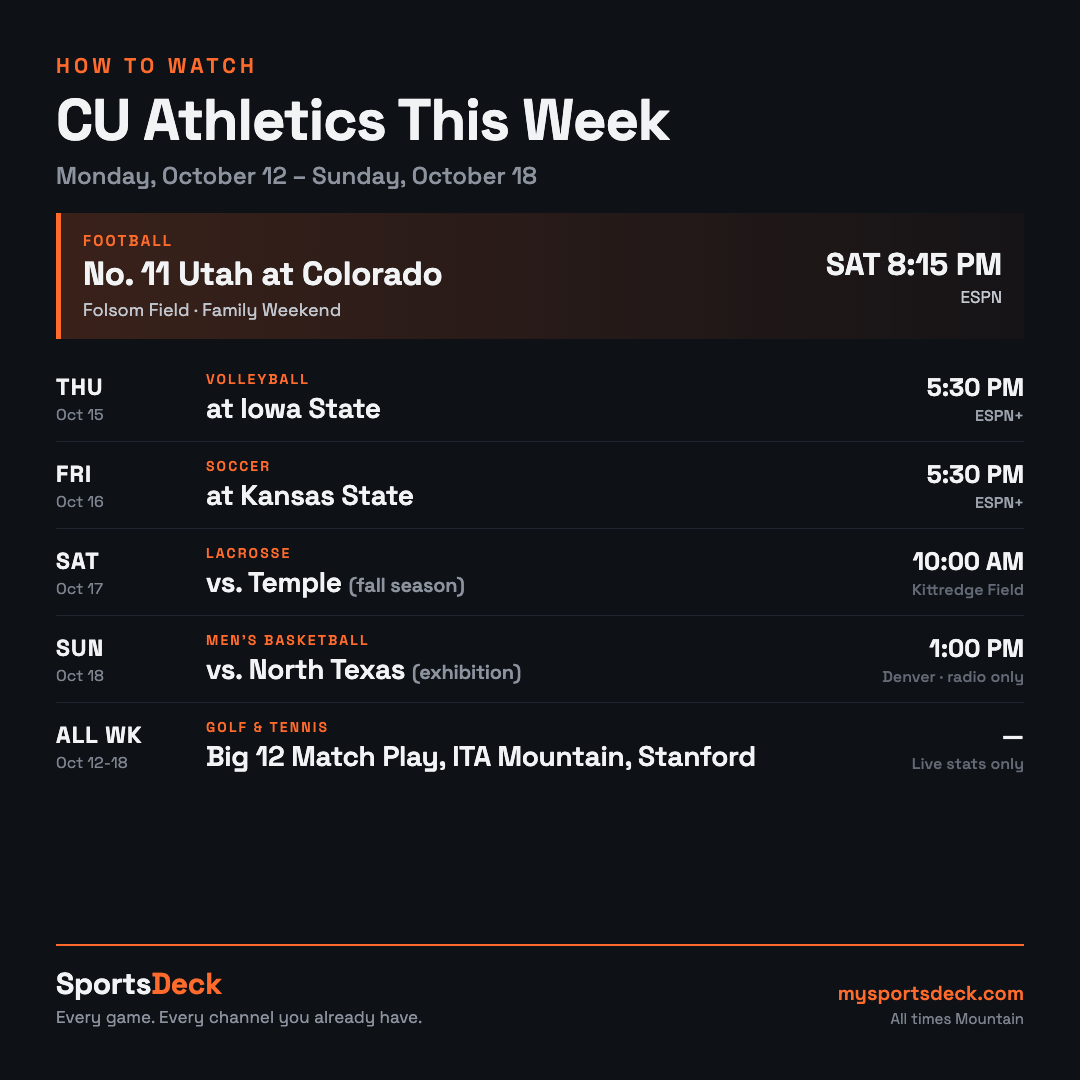
Football: No. 11 Utah at Colorado
Saturday, 8:15 p.m. Mountain on ESPN
Family Weekend at Folsom, and the Buffs are coming off the bye. ESPN is on every cable and satellite package. Cord-cutters: YouTube TV, Hulu + Live TV, Fubo, DirecTV Stream and Sling Orange all carry ESPN, and ESPN’s own streaming service carries it directly. Radio is KOA 850 AM and 94.1 FM.
Men’s Basketball: Colorado vs. North Texas
Sunday, 1 p.m. MT in Denver — radio only
The Mile High Hoops Classic, and the first time anybody gets to see this roster. It is an exhibition, so it will not be televised and it does not count, but if you have read everything above and want to see whether I’m right (of course I’m right!), this is your first chance. Radio is KOA.
Volleyball: Colorado at Iowa State
Thursday, 5:30 p.m. MT on ESPN+
ESPN+ is the standalone streaming service, not the ESPN cable channel.
Soccer: Colorado at Kansas State
Friday, 5:30 p.m. MT on ESPN+
The Buffs are in Manhattan on Friday night. Also on ESPN+.
Also this week
- Lacrosse: vs. Temple, Kittredge Field, Saturday at 10 a.m. (fall season)
- Men’s golf: Big 12 Match Play, Salt Lake City, Monday through Wednesday
- Tennis: ITA Mountain Region Championship, Provo, Tuesday through Saturday
- Women’s golf: Stanford Intercollegiate, Stanford, California, Friday through Sunday
None of those are televised. Live stats and results are on CUBuffs.com.
This section is sponsored by SportsDeck, an app I built after getting tired of finding out my team had played yesterday, on a channel I already had.
Here’s how it works:
You tell it which teams you follow (there are 3,220 teams on SportsDeck across 47 sports leagues) and which streaming and TV services you already pay for. SportsDeck tells you every game your teams play, what time it starts, what channel or app it’s on, and whether you can actually watch it with what you’ve got. It can even show you whether there’s a cheaper way to watch more of your teams’ games.
Then it does the part I’m proudest of: it brings together your teams’ news, podcasts, YouTube videos, and trusted local coverage in one place—like the old sports page you miss, rebuilt for today’s world. SportsDeck has 454 of these pages, and I built and curate the whole operation.
You can also get a morning email with your games, viewing information, and biggest team stories before your coffee. There are game alerts and an iPhone widget, too.
Your first month of Pro is free. Get the iPhone app or start at mysportsdeck.com.
OTITWI (Other Things I Thought Were Interesting)
–If you made it this far, read the other side of the argument: my brother Chris’s An Optimist’s Preview of the CU Buffs. He thinks the Buffs can finish fifth or sixth in the Big 12.
–Since we’re talking about hoops —– who knew Prince could hoop?!?!?! https://www.youtube.com/watch?v=nGyehrf7xpI
–If you’re a music fan, check out Jackie Evans. Is she the next Billie Joel? https://www.youtube.com/watch?v=60cde2NmfKM&t=852s
–“He went out on an epic wilderness adventure. Only his sled dogs returned home.” A page turner: https://www.nytimes.com/interactive/2026/10/10/magazine/steffen-skjottelvik-canada-journey-death.html?unlocked_article_code=1.H1E.14m2.Y4FcrH8JR754&smid=url-share
–“I tested the most futuristic tech – it scared me.” https://www.youtube.com/watch?v=nQdXp6HKKik&t=325s
More BuffsBlog You Might Have Missed
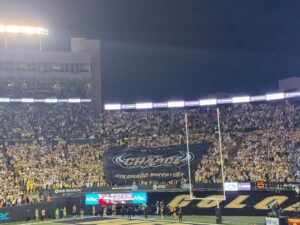
Five Things I Think We Learned About CU After Texas Tech
Colorado led the No. 12 team in the country at halftime and scored seven points.

Colorado Spends $21 Million. Texas Tech Spends $40 Million. Can Congress Fix College Sports?
Chris Gaddis on the Protect College Sports Act and what it would mean for CU.
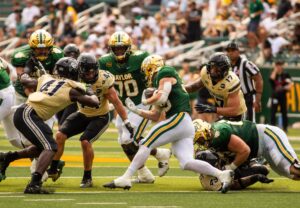
Six Things I Think We Learned About CU After Baylor
Julian Lewis threw it 2.8 yards downfield, and the numbers behind the 23-13 loss.
Pingback: CU Basketball 2026-27: The Optimist's Case | BuffsBlog
Your brother has a superpower — a CU sports fan that remains an optimist!
That power is beyond me.
I’m afraid I’m with John on this one.
Great work – no one else writes 8,000+ words on CU hoops pre-season. Long live BuffsBlog.
Every football season I seemingly talk myself into the Buffs having a strong team.
I just can’t do it anymore. Same with hoops — over the last 2 seasons, CU is 10-28 in the Big 12. That’s not good, and there’s not a lot of hope that things will get better.
This year will be a long year for men’s hoops teams.
The good news is that I’m optimistic that the women’s team will be dancing in March. Again.